Scalable Middleburg Heights top rated Warehousing & Logistics Management
Enhance Operational Excellence By Leveraging Our All-Inclusive Warehousing Services: Capabilities for Your Logistics Needs
Streamlined warehousing is essential for optimizing supply chain operations. Comprehensive warehousing services offer personalized solutions that improve inventory management and streamline order fulfillment. By integrating advanced technology, these services can substantially reduce operational costs. However, the true impact of tailored warehousing extends beyond mere review article efficiency. It encourages collaboration among supply chain partners and drives customer satisfaction. Grasping these benefits can reveal how businesses can prosper in a competitive landscape.
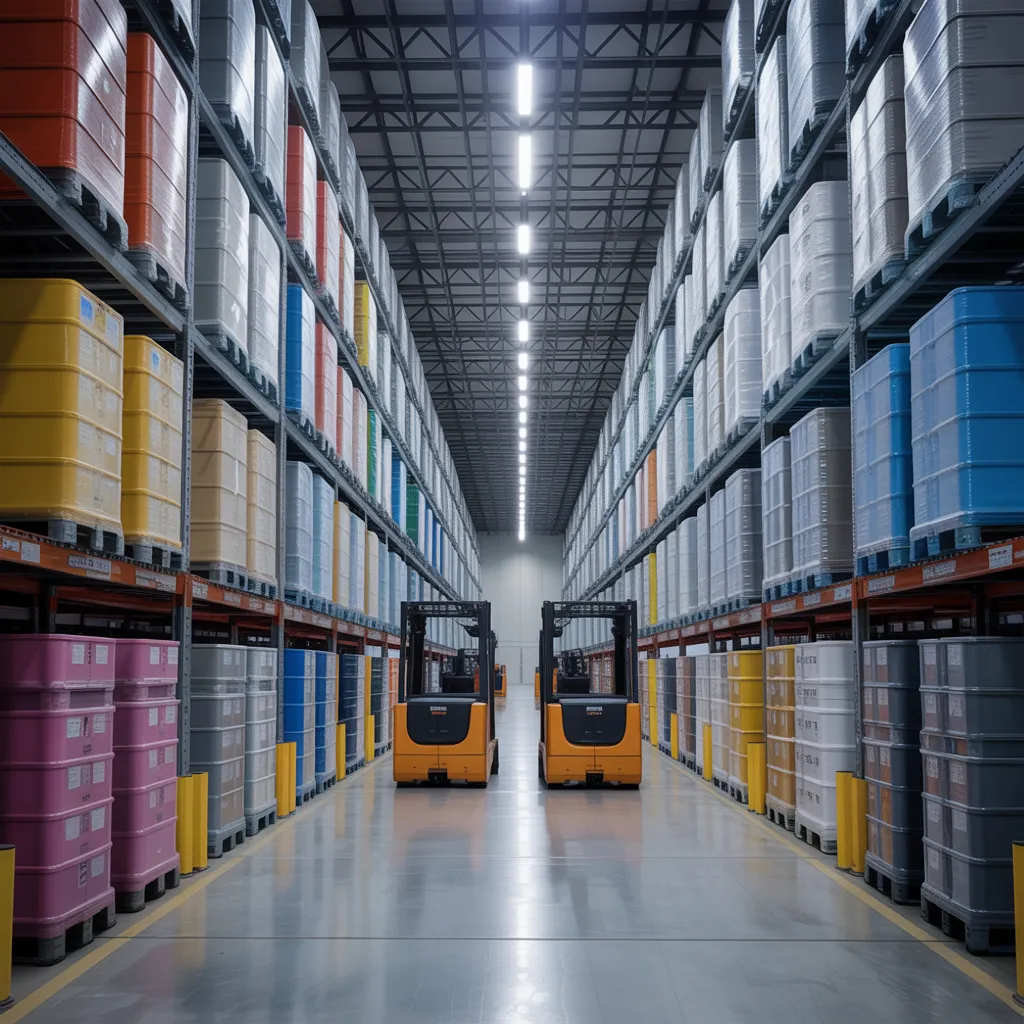
How Efficient Warehousing Transforms Your Supply Chain
Optimized warehousing reshapes supply chain operations by improving inventory management and streamlining logistics. It empowers businesses to maintain accurate stock levels, reducing excess inventory and decreasing stockouts. This efficiency promotes better demand forecasting and strengthens overall responsiveness to market changes.
In addition, efficiently organized warehouse layouts improve picking processes and decrease order fulfillment times. By establishing standardized procedures and employing space effectively, companies can realize faster turnaround times and lower operational costs.
In addition, the integration of efficient warehousing practices facilitates enhanced collaboration among supply chain partners. With complete visibility into inventory levels and locations, businesses can make data-driven decisions, resulting in increased customer satisfaction.
At the end of the day, efficient warehousing is essential for businesses striving to remain competitive in an increasingly dynamic market. By transforming logistics operations, companies can improve their supply chain adaptability and resilience, ensuring long-term success and growth.
How Our State-of-the-Art Technology Optimizes Inventory Management
As businesses endeavor to optimize their inventory management, modern technology fulfills an essential purpose in elevating accuracy and efficiency. Leveraging sophisticated software systems, enterprises can obtain real-time visibility into their stock levels, allowing informed decision-making. RFID systems and barcode scanning improve the tracking process, reducing human error and making certain that inventory data remains updated.
Automated stock control systems expedite order completion and limit surplus inventory cases, resulting in cost reductions. Demand forecasting technologies identify purchasing patterns, helping enterprises calibrate their stock levels suitably. Moreover, cloud computing solutions deliver consolidated access to inventory records from different facilities, strengthening team collaboration.
The integration of these technologies not only enhances inventory accuracy but also improves storage space and elevates overall operational efficiency. By harnessing advanced technology, businesses can attain a more agile and responsive inventory management system, ultimately contributing to improved customer satisfaction and increased profitability.
Customizing Your Warehouse Solutions
Customizing warehousing solutions is crucial for meeting different business needs. Tailored storage options, adaptable inventory management strategies, and specialized handling services can substantially enhance operational efficiency. By embracing a personalized approach, companies can optimize their supply chain and improve overall performance.
Customized Storage Services
Many businesses today recognize the importance of bespoke storage solutions to meet their distinct logistical needs. These customized approaches empower companies to optimize space, strengthen inventory management, and elevate overall operational efficiency. By evaluating specific requirements—such as product dimensions, seasonal fluctuations, and accessibility—warehousing providers can create solutions that enhance space utilization and minimize costs. Personalized storage options may include dedicated shelving, pallet racking, or climate-controlled environments, ensuring that products are stored under ideal conditions. In addition, businesses can gain from dedicated zones for high-demand items, supporting quicker retrieval and shipping processes. Finally, customized storage solutions help organizations to manage their inventory more effectively, resulting in improved customer satisfaction and optimized operations.
Adaptable Inventory Management
Custom storage solutions set the foundation for optimal flexible inventory management, enabling businesses to accommodate changing demands with ease. This approach permits companies to optimize stock levels, making certain that products are readily available without overcommitting resources. By implementing dynamic inventory systems, businesses can monitor real-time data, enabling informed decision-making about stock replenishment and distribution. Moreover, flexible inventory management integrates demand forecasting, which permits organizations to anticipate fluctuations and adjust their inventory accordingly. This adaptability not only decreases waste but also elevates customer satisfaction by ensuring timely deliveries. Finally, a well-structured inventory management strategy enables businesses to maintain operational efficiency and react effectively to market trends, reinforcing their competitive edge in the logistics landscape.
Specialist Processing Services
Professional handling services play an essential role in enhancing warehousing solutions by meeting the specific needs of multiple products and industries. These services encompass customized approaches to manage items that require dedicated care, such as fragile goods, hazardous materials, or oversized equipment. By implementing specialized handling techniques, warehouses can guarantee the safety and integrity of products throughout the storage and shipping process. Moreover, trained personnel leverage appropriate equipment to facilitate the relocation and organization of these items, enhancing operational efficiency. Tailoring warehousing solutions not only lowers the risk of damage but also streamlines inventory management, ultimately generating improved customer satisfaction and timely deliveries. Implementing specialized handling services is crucial for businesses seeking to maintain a competitive edge in the logistics landscape.
5 Key Cost-Saving Approaches for Warehouse Facilities
Efficient cost management in warehousing is vital for maximizing profitability. Primary methods encompass optimizing space utilization, implementing technology solutions, and improving inventory management. By embracing these approaches, companies can greatly reduce operational expenses while improving efficiency.
Maximize Space Efficiency
While most organizations acknowledge the importance of efficient warehousing, only a handful maximize the potential for optimizing space utilization. Strategic space management can significantly reduce costs and improve operational efficiency. One strategy involves implementing vertical storage solutions, enabling businesses to capitalize on height rather than just floor space. Moreover, using adjustable shelving and racking systems can accommodate varying inventory sizes, maximizing available space. Another approach is to regularly review inventory turnover rates, pinpointing slow-moving items that can be repositioned or decreased. Streamlining product placement based on demand patterns also enhances accessibility and reduces retrieval times. Ultimately, adopting modular storage solutions provides flexibility to respond to changing needs, making certain that warehouse space is utilized effectively at all times.
Execute Technology Solutions
Adopting technology solutions is crucial for modern warehousing operations aiming to cut costs and improve efficiency. Automation tools, such as robotic pickers and conveyor systems, streamline processes, minimizing labor costs and enhancing throughput. Implementing warehouse management systems (WMS) facilitates real-time tracking of inventory and orders, minimizing errors and improving accuracy. Moreover, utilizing cloud-based software facilitates seamless communication across teams and locations, encouraging collaboration and decision-making. Advanced analytics can identify trends and inefficiencies, facilitating proactive adjustments that further reduce costs. By investing in technology, warehouses can not only enhance their operations but also improve customer satisfaction through faster and more reliable service, ultimately leading to sustained competitive advantage in the logistics landscape.
Strengthen Stock Management
To boost cost efficiency in warehousing, optimizing inventory management is crucial. Effective inventory management reduces excess stock and cuts holding costs, directly impacting profitability. Adopting just-in-time (JIT) practices can optimize inventory levels, making certain materials are available only as needed. Utilizing advanced inventory tracking systems enables real-time visibility, enabling accurate stock counts and timely reordering. Regularly conducting inventory audits aids in identify slow-moving items, enabling strategic decisions to increase sales or reduce stock. Moreover, employing automated systems for order fulfillment can streamline operations, further reducing labor costs. By implementing these cost-saving strategies, businesses can achieve greater efficiency and responsiveness in their warehousing processes, consequently boosting overall logistics performance.
Boosting Order Fulfillment for Speedier Deliveries
Streamlined order fulfillment is vital for businesses striving to boost customer satisfaction and preserve a competitive edge. Refining this process encompasses several key strategies, including enhancing inventory management and employing advanced technology. By leveraging automated systems, companies can reduce human error and improve processing speed.
Additionally, warehouses that adopt real-time tracking enable businesses to oversee order statuses and inventory levels, ensuring timely deliveries. Moreover, careful placement of products within the warehouse can substantially decrease picking times, enabling faster order processing.
Collaboration with logistics partners and suppliers also plays a significant role; establishing strong relationships can allow for quicker shipping options and more dependable delivery schedules. Ultimately, improving order fulfillment not only fulfills customer expectations but also encourages repeat business, fostering long-term growth and profitability. With a focus on efficiency and speed, businesses can efficiently respond to evolving market demands.
Effortlessly Incorporating Warehousing Into Your Supply Chain
While incorporating warehousing into a supply chain may seem challenging, it is crucial for businesses seeking to optimize their logistics operations. Effective warehousing acts as a essential link, promoting the smooth flow of goods from suppliers to customers. By thoughtfully positioning warehouses within the supply chain, companies can decrease transit times and improve inventory management.
Important factors for smooth integration include harmonizing warehousing processes with overall supply chain aims, boosting communication across stakeholders, and leveraging technology for real-time data surveillance. Businesses must also assess their distribution network to determine ideal warehousing positions that reduce costs and maximize service levels.
Furthermore, establishing uniform procedures within warehouses delivers dependable operations, permitting swifter responsiveness to market dynamics. This harmonization eventually assists in creating a robust supply chain that can respond to fluctuations in demand while upholding efficiency. Fundamentally, deliberate integration of warehousing is crucial for achieving a competitive advantage in modern fast-paced market.
Core Advantages of Teaming Up With Full-Service Warehousing Services
Collaborating with extensive warehousing services provides multiple advantages that enhance complete supply chain efficiency. One key perk is the capability to scale operations according to demand fluctuations, permitting businesses to optimize inventory levels without the burden of fixed overhead costs. Moreover, extensive warehousing services often come equipped with state-of-the-art technology, offering real-time inventory tracking and data analytics that strengthen decision-making processes.
An additional advantage is the knowledge of skilled professionals who handle logistics, lowering the probability of errors and delays. This can lead to enhanced customer satisfaction due to timely deliveries. Furthermore, such partnerships support streamlined operations, as warehousing providers can supply value-added services like packaging, labeling, and quality control.
Ultimately, working with comprehensive warehousing services not only minimizes operational complexities but also empowers companies to concentrate on core business activities, fostering growth and profitability in an increasingly competitive market.
Frequently Asked Questions
What Kinds of Items Can Your Warehouse Accommodate?
A range of products can be housed in the warehouse, including hazardous materials, machinery, electronics, textiles, and food items. Each category requires specific handling procedures to secure safety and compliance with regulatory requirements.
What Measures Ensure the Security of Stored Goods?
To ensure the protection of stored products, state-of-the-art surveillance systems, access control measures, and routine inventory audits are deployed, alongside trained personnel monitoring the facility. These measures collectively copyright a protected and secure environment for all products.
What Are Your Warehouse Location Options?
Available warehouse locations feature metropolitan areas for fast distribution, outlying regions for cost-effectiveness, and strategically placed regional hubs to enhance accessibility. Each location is chosen based on logistical needs and client specifications for optimal service.
Are You Able to Handle Seasonal Inventory Fluctuations?
Certainly, they can capably oversee seasonal inventory fluctuations by utilizing flexible storage solutions, adapting space allocations, and using advanced inventory management systems to guarantee peak efficiency and responsiveness to varying demand during the year.
What Hours Do You Operate for Warehousing Services?
Warehousing services function weekdays from 8 a.m. to 6 p.m., and on Saturday from 9:00 AM to 3:00 PM. Changes may take place on holidays, providing flexibility to accommodate different client needs throughout the year.